Arabic Typing for Business Communication: Professional Etiquette
Navigate the Arab corporate world with confidence — emails, meetings, contracts, and digital communication.
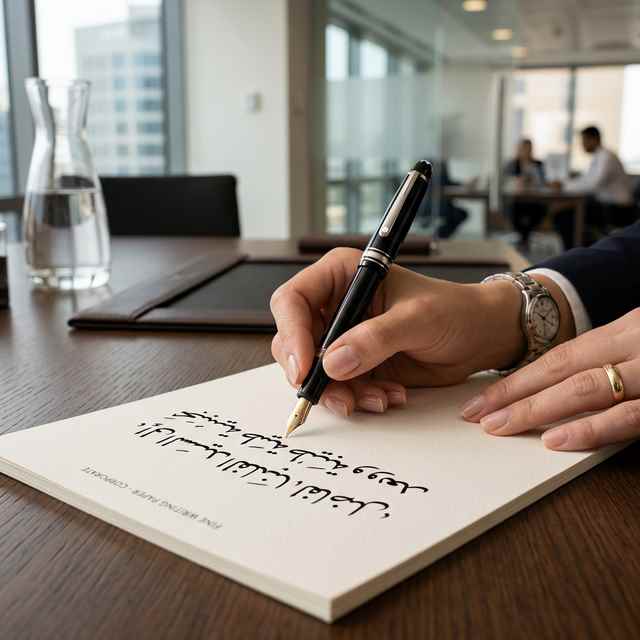
In the Arab world, business communication is not just about language — it is a cultural ceremony built on respect, formality, and relationship-building. Whether you are drafting a professional email to a client in Riyadh, preparing a formal letter for a partner in Dubai, or typing meeting minutes in Cairo, your Arabic must reflect the highest standards of corporate professionalism.
This comprehensive guide covers everything you need to know about typing Arabic for business: formal phrases, email structure, meeting vocabulary, corporate etiquette, and how to use digital tools effectively for professional Arabic writing.
Why Arabic Business Communication Matters
Arabic is the official language of 22 countries and spoken by over 400 million people. The Arab world represents one of the fastest-growing consumer markets, with Gulf countries like Saudi Arabia, UAE, Qatar, and Kuwait driving significant global trade. For any professional dealing with Arabic-speaking clients, partners, or colleagues, the ability to communicate formally in Arabic is a critical business skill.
Unlike English, where casual language is often acceptable in business contexts, Arabic business communication tends to be more formal, verbose, and relationship-oriented. Greetings and pleasantries are not optional — they are an essential part of every professional exchange.
Essential Business Arabic Greetings
Every formal Arabic communication should begin with an appropriate greeting. Here are the most important ones:
| Arabic Phrase | Transliteration | When to Use |
|---|---|---|
| السلام عليكم | As-salamu alaykum | Universal greeting (formal & informal) |
| بسم الله الرحمن الرحيم | Bismillah ir-Rahman ir-Rahim | Opening formal letters and contracts |
| تحية طيبة وبعد | Tahiyyatan tayyibatan wa ba'd | Formal email and letter opener |
| سعيد بالتواصل معكم | Sa'id bil-tawaasul ma'akum | "Pleased to be in contact with you" |
| أرجو أن تكونوا بخير | Arjoo an takoonoo bi-khayr | "I hope you are well" |
How to Write a Professional Arabic Email
A formal Arabic business email follows a specific structure that differs from English conventions. Understanding this structure will immediately elevate your professionalism.
1. The Subject Line (الموضوع)
Keep the subject line clear, concise, and descriptive. Avoid ambiguous subjects. Examples:
- طلب اجتماع — بخصوص مشروع التطوير (Meeting Request — Regarding the Development Project)
- عرض سعر لخدمات الاستشارة (Price Quotation for Consulting Services)
- متابعة: عقد التوريد رقم ٢٣٤٥ (Follow-up: Supply Contract No. 2345)
2. The Salutation (التحية)
Always address the recipient by their full title. In Arabic business culture, titles carry significant weight:
- الأستاذ/الأستاذة [الاسم] المحترم/المحترمة (Professor/Mr./Ms. [Name] — respected)
- سعادة المدير [الاسم] (His Excellency Director [Name])
- المدير التنفيذي الموقر (Esteemed Chief Executive Officer)
3. The Opening (المقدمة)
After the greeting, use a formal opener:
- تحية طيبة وبعد، (A warm greeting, and then:)
- يسعدني مراسلتكم بخصوص... (I am pleased to write to you regarding...)
- بالإشارة إلى كتابكم رقم... (With reference to your letter number...)
4. The Body (صلب الرسالة)
State your purpose clearly and professionally. Use formal Arabic grammatical structures. Avoid colloquial dialects — always use Modern Standard Arabic (المعيارية الحديثة) in all written business communication.
5. The Closing (الخاتمة)
Always close with a respectful sign-off:
- وتفضلوا بقبول فائق الاحترام والتقدير (Please accept the highest respect and appreciation)
- مع خالص التحيات (With sincere greetings)
- في انتظار ردكم الكريم (Awaiting your gracious reply)
- شاكرين حسن تعاونكم (Grateful for your kind cooperation)
Essential Business Vocabulary
Building your Arabic business vocabulary is a major step toward professional fluency. Here are the key terms you will need across different business contexts:
Meetings and Presentations (الاجتماعات والعروض)
| Arabic | English |
|---|---|
| جدول الأعمال | Agenda |
| محضر الاجتماع | Meeting minutes |
| العرض التقديمي | Presentation |
| نقطة رئيسية | Key point |
| الأهداف الاستراتيجية | Strategic objectives |
| قرار الاجتماع | Meeting resolution |
| ملاحظات | Notes/Remarks |
Finance and Contracts (المالية والعقود)
| Arabic | English |
|---|---|
| عقد التوريد | Supply contract |
| فاتورة ضريبية | Tax invoice |
| خطاب الاعتماد | Letter of credit |
| العائد على الاستثمار | Return on investment (ROI) |
| الميزانية التقديرية | Budget estimate |
| ضريبة القيمة المضافة | VAT |
Arabic Business Etiquette Tips
Understanding cultural nuances is as important as knowing the language:
- Use Formal Script Only: Never use informal Arabic dialects (Egyptian, Gulf, Levantine) in written business communications. Always use Modern Standard Arabic (فصحى).
- Honorifics Matter: Always include titles. Addressing someone without their proper title is considered disrespectful. Use سعادة (His Excellency), الدكتور (Dr.), المهندس (Engineer), الأستاذ (Professor/Mr.).
- Religious Phrases: It is entirely appropriate and often expected to use Islamic expressions like بإذن الله (God willing) and الحمد لله (Praise be to God) in professional correspondence. Omitting them in certain contexts can seem impersonal.
- Long-form Politeness: Arabic business emails tend to be longer than English equivalents. A brief, two-line email may come across as rude. Take the time to write proper introductions and closings.
- Response Time: Prompt replies are expected and valued. Delays in responding — especially to a direct question — are taken personally in Arab business culture.
Common Business Arabic Phrases by Situation
Requesting a Meeting
يسرني دعوتكم لحضور اجتماع عمل بتاريخ [التاريخ] لمناقشة [الموضوع]. أرجو التفضل بتأكيد حضوركم الكريم.
(I am pleased to invite you to a business meeting on [date] to discuss [topic]. Please kindly confirm your attendance.)
Following Up on a Proposal
أتمنى أن يكون عرضنا قد نال إعجابكم. يسعدني توضيح أي نقطة والإجابة على كافة استفساراتكم.
(I hope our proposal has met your satisfaction. I am happy to clarify any point and answer all your inquiries.)
Accepting a Business Offer
يسعدنا الموافقة على عرضكم القيّم ونتطلع إلى تعزيز هذا التعاون المثمر بيننا.
(We are pleased to accept your valuable offer and look forward to strengthening this fruitful cooperation.)
Politely Declining
مع تقديرنا الشديد لعرضكم الكريم، نأسف لإبلاغكم بعدم تمكّننا من المضي قدماً في هذا الأمر في الوقت الراهن.
(With great appreciation for your kind offer, we regret to inform you that we are unable to proceed with this matter at the current time.)
Typing Arabic Business Documents — Practical Tips
When typing formal Arabic documents, here are best practices to maintain a professional appearance:
- Right-to-Left Direction: Always set your document or text field to RTL (right-to-left). In our online keyboard, this is automatic.
- Font Selection: For business documents, use professional Arabic fonts: Noto Naskh Arabic, Scheherazade New, or Traditional Arabic. Avoid decorative Thuluth fonts for formal documents.
- Numbers: In most Arab countries, use Arabic-Indic numbers (١٢٣٤) in Arabic text. However, when writing for an international audience, Western numerals (1234) on the same line as Arabic text are also acceptable.
- Punctuation: Arabic uses specific punctuation that differs from English — the Arabic comma (،) and Arabic question mark (؟) are mirror images of their English counterparts and must be used correctly.
- Hamza and Diacritics: In formal business writing, diacritics (تشكيل) are generally not used in the body of emails. However, they may be important in contracts to prevent misinterpretation of words that look similar without vowelling.
Arabic Business Communication on Digital Platforms
WhatsApp Business
WhatsApp is the dominant business messaging platform across the Arab world, used extensively in Saudi Arabia, UAE, Egypt, and Morocco. Key tips for professional WhatsApp communication:
- Always begin with a greeting: السلام عليكم or مرحباً يا [الاسم]
- Keep messages concise but polite
- Use voice messages for complex topics when appropriate
- Respond during business hours (typically Sunday–Thursday in Gulf countries)
LinkedIn in Arabic
LinkedIn has a fully Arabic interface. For professionals targeting Arab markets:
- Write your profile headline and summary in Arabic for local visibility
- Post Arabic content regularly to engage regional networks
- Use professional Arabic in connection request messages
Conclusion
Mastering Arabic business communication is a career-defining skill for professionals engaged with the Arab world. The combination of formal language, cultural sensitivity, and proper digital etiquette will set you apart as a truly professional communicator.
Start practicing by using our free Arabic Typing Keyboard to draft your first formal Arabic email. With regular practice and the vocabulary in this guide, you will be writing polished Arabic business correspondence with confidence.
⌨ Practice Arabic Business Writing
Use our free Arabic tools — no login, no download, works on any device.
Frequently Asked Questions
Formal Arabic (Modern Standard Arabic / الفصحى) is used in all written business communication: emails, contracts, official letters, and reports. Informal or dialectal Arabic is acceptable in casual spoken conversation but should never appear in written professional documents.
Yes. Phrases like إن شاء الله (God willing), الحمد لله (Praise be to God), and بركة الله (God's blessing) are completely normal and expected in Arab business contexts. Omitting them entirely can sometimes come across as impersonal or culturally tone-deaf.
Use the appropriate honorific. Common titles include: سعادة (His/Her Excellency) for government/senior officials, الدكتور/الدكتورة (Dr.) for academics and medical professionals, المهندس (Engineer), and الأستاذ/الأستاذة (Professor/Mr./Ms.) for educated professionals.
Yes. Our Arabic Typing Keyboard is fully mobile-responsive. You can compose professional Arabic emails, WhatsApp messages, and reports directly from your smartphone. Simply open the site, type, then copy-paste into any app.
For formal documents, use clean Naskh-style fonts: Traditional Arabic, Noto Naskh Arabic, or Scheherazade New. These are clear, professional, and widely compatible. Avoid Ruqah or decorative fonts for official business correspondence.